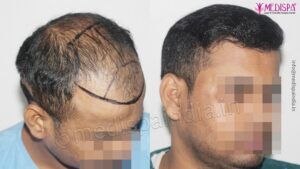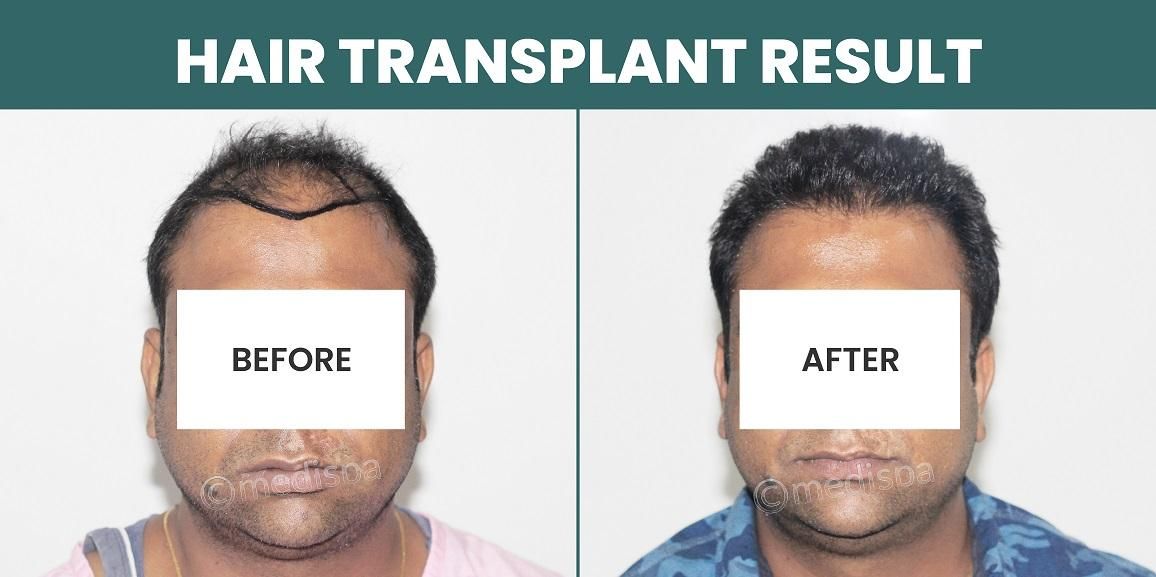
These days, baldness is more than just an issue of looks; it has a psychological connotation associated with confidence, self-image, and even professional interactions. In fact, high-grade baldness brings with it even more challenges. Thinning is widespread while donor areas fail to provide adequate compensation for loss; this properly calls for the experienced surgeon’s strategic approach to the method. Modern techniques of hair transplant in Jaipur have, however, made that possible, even in the most difficult of cases, with very natural-looking results. Patients today are benefitting from advanced tools, skilled artistry, and innovative combinations of techniques to achieve fuller coverage, lasting density, and restored self-esteem. And the final question remains: Which of the methods is better for advanced baldness?
What is High Grade Baldness?
Generally, high grade baldness is classified from grade V to VII using Norwood’s scale and is denoted by massive hair loss on different parts of the scalp-anterior hair line, crown, and mid-scalp. Unlike the early-stage thinness in which a small restoration could mean the whole difference, high-grade baldness calls for the ultimate survival of grafts and placement in a strategic manner to create alive density.
Thus, technique and planning are given equal emphasis in this situation. The need to optimize donor hair utilization is supplemented by a hairline design that appears natural and yet sustainable for the long term.
Popular Hair Transplant Methods
Today’s hair transplanting techniques are far superior to the pluggy, artificial-looking procedures of the past. Thest two most reliable and often employed methods are:
- Follicular Unit Transplantation or FUT
Also known as the strip method, FUT involves removal of the strip of the scalp from the back of the head (donor area). The strip is then micro-dissected into several small follicular units and subsequently transplanted to bald areas.
Advantages of FUT on high grade baldness:
- Offers the highest yield of grafts per session, which is crucial for large coverage.
- Has higher quality graft survival as the follicles are dissected with magnification.
- Results in long-lasting density owing to optimal survival.
Drawbacks:
- Leaves linear scar in the donor area (which is usually, however, well hidden).
- Recovery period longer than that seen with FUE.
- Follicular Unit Extraction, or FUE
In FUE, a micro-punch tool is used to retrieve single hair follicles directly from the donor area and implant them into bald areas.
Advantages of FUE for high grade baldness:
- Not linear scar but marks consisting of tiny dots hardly visible to the naked eye.
- Healing is faster and less painful.
- Allows body hair such as beard and chest hair to be used as donor tissues since head donor hair is limited.
Drawbacks:
- Sessions conducted are limited when harvesting grafts.
- Longer time consumption and needs high surgical expertise for consistency.
Which Method is Best for Advanced Grades of Baldness?
The truth is that there is no “one size fits all” answer. For extreme baldness, the best approach usually is between the combination of FUT and FUE:
- FUT for maximum yield of grafts from the scalp in one sitting.
- FUE to add coverage from an even higher number of contributions, and if needed, from body hair.
This hybridization allows surgeons to employ both density and natural results for patients with extremely bald heads.
For instance, FUT can be used to lay out the frontal hairline and mid-scalp density while the crown areas can be finetuned using FUE. These strategies ensure better use of donor resources and longer-lasting outcomes’.
Expertise and Technology
Though techniques really matter in any case, experience and aesthetic vision of a surgeon take the largest part in high grade baldness estimate successes. Jaipur has attracted the advanced transplant centers having renown clinics with cutting-edge technology, microscopic graft dissection, and customized treatment plans.
Before any commitment always cross-check those:
- Surgeon credentials and years of experience.
- Results of before and after similar grade high baldness cases.
- Use of newest tools in graft harvesting and implanting.
What about cost?
These factors also are very important especially for patients who are looking for the hair transplant cost in Jaipur. Prices vary based on:
- Number of grafts needed (high grade baldness usually needs 4000-6000+ grafts).
- Technique used (FUT, FUE, or a hybrid).
- Surgeon’s expertise and the infrastructure of the clinic.
Usually, while FUT is much cheaper to get larger sessions done, it is a little more expensive for FUE because of the time and precision involved. A lot of patients feel that spending on the hybrid approach is worth the results because the outcomes are maximized with fairly minimal sacrifice.
When people think about the hair transplant cost in Jaipur, they should understand it as an investment in appearance and confidence rather than an expenditure. A well-done transplant lasts a lifetime and can turn around much on the level of an individual’s professional and personal life.
Conclusion
Modern transplant techniques render much hope for such persons who face high-grade baldness. Not just FUT or FUE alone, even in advanced grades, the best results can often be achieved through some careful combination of techniques based on individual hair loss patterns.
Those who are wanting to get a hair transplant in Jaipur should visit a reputed and highly skilled surgeon for consultation. If planned, equipped, and artistic, even bad cases of baldness become so natural and youthful over the years.