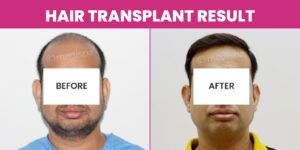
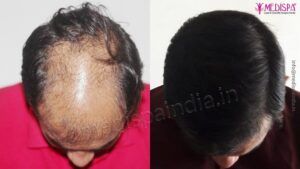
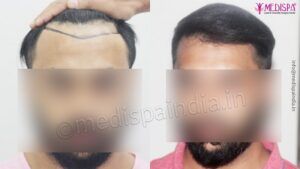
Hair transplant is the last and the very final way out for many suffering from baldness or thinning hair. It’s all about getting natural-looking, permanent results from this hair transplant, which is why a large number of people rush to it. But actually, not all transplants end up giving you the desired results. Poor surgery, inexperienced doctors, or unregulated clinics leave patients with unnatural hairlines, visible scars, and not-so-satisfying density.
In a case where a procedure went wrong, one may be deeply devastated. But the good news is that the end is not reached yet. Results can be restored due to proper guidance and corrective measures. This is where Hair Transplant Repair and the best hair transplant surgeon in India come into play.
Why Do Hair Transplants Fail?
The first thing to do is to understand why hair transplants fail in the first place before figuring out what to do next. Some reasons include:
- Inexperienced surgeons: Lack of skill leads to poor graft handling, unnatural angles, and low survival rates.
- Bad planning: Not considering donor site limitations or using the wrong techniques leads to patchy and uneven results.
- Overharvesting: Excessive grafting can lead to scalp trauma and permanent scarring.
- Hygiene: Infections caused by poor standards of clinical practice compromise graft survival.
- Wrong candidate selection: Not everyone is a suitable candidate, especially those having unstable hair loss or medical conditions.
Learning the reason for failure is the first step toward an effective repair plan.
What is Hair Transplant Repair?
Hair Transplant Repair is a corrective procedure with which the faults that resulted from a failed or poorly executed transplant can be fixed. The purpose of this procedure is primarily restoration to the natural appearance, correction of unnatural hairlines, improvement of density, and final concealment of scars.
Because the procedures are complicated, they involve advanced skill because the surgeon has to deal with a compromised donor area and previously damaged grafts. This is primarily the reason why every clinic does not handle this-it requires the hands of a finely trained and experienced surgeon.
Steps to Take After a Failed Hair Transplant
- Consult an Expert Surgeon
The first step will be advice from the best hair transplant surgeon in India. Well-qualified doctors will examine your donor area, the condition of your scalp, and previous surgical results carefully before they suggest a customised repair plan.
- Evaluate the Donor Area
A failed transplant means overusing or mishandling the donor area. An expert surgeon assesses whether there are healthy grafts left for another procedure and how they may be optimally utilised.
- Correction of the Hairline
An unnatural-looking or very low hairline is among the most commonly seen errors of execution. A repair job will focus on redesigning the hairline according to your facial proportions, ensuring that it looks natural.
- Adding Density
In most cases, patients report thin, sparse growth. Repair will involve adding grafts strategically, creating fuller, denser hair.
- Scar Revision
Scars left from poorly practised FUT or FUE techniques can be improved with advanced methods. Skilled surgeons take advantage of micrografting and refined closure techniques to minimise scarring.
Techniques of Hair Transplant Repair
- FUT (Follicular Unit Transplantation): Repair works involve FUT as it allows surgeons to extract carefully as many grafts as possible, even within a limited donor area.
- FUE (Follicular Unit Extraction): This is harvesting grafts selectively to fill up patchy regions to increase density.
- Combination Approach: A combination of FUT and FUE is involved in most cases of repair surgeries for optimal results.
The selection of the technique should be dependent on the clinical state of the patient and the evaluation of the surgeon.
Importance of Choosing the Right Surgeon
Usually, repairs are more tedious than the first transplant. Repairs include: working on scarred tissues; dealing with a limited supply of available donor hair; and rectifying the unnatural results. This is why picking the best hair transplant surgeon in India is non-negotiable.
Not only would the expert fix the previous damage, but he or she would also ensure the results are permanent, natural, and safe. At Medispa, for example, meticulous planning is devoted to each of the repairs because that guarantees full utilisation of every graft and preservation of the donor area.
Cost Factors
Patients fear paying the second time for the same procedure. Actually, repair surgeries may range a little above the first-time transplant cost due to the complexity involved. However, valuable results offering a natural, lasting outcome are worth the price. Going cheaper, which means coming back to an inexperienced clinic, can worsen the situation and seem to reduce the chances of having this corrected in the future.
When it comes to Hair Transplant Repair, cost should never outweigh quality. Think of it as an investment in getting things right once and for all.
Recovery After Hair Transplant Repair
After a repair, recovery is similar to that of a regular transplant. Swelling, slight redness, and scabs may be mild after the procedure. These usually improve within five to seven days. After about two weeks, the transplanted hair will shed; it will start to grow again after about three to four months. Full results are typically seen between nine months and one year.
Aftercare is even more critical because the procedure involves areas that have already been operated on. Follow the surgeon’s words just the way they are dictated; there is no other way to optimum healing and the best results.
Summary
Disappointing though a failed hair transplant may be, it does not end one’s attempts to regain hair. Natural results are still achievable with the right correction. The first thing is choosing a specialised clinic in Hair Transplant Repair, then second, trusting the best hair transplant surgeon in India to correct these complicated cases.
Remember this: this time, it’s your decision that determines whether you could have achieved the look you’d always wanted. Experience, precision, and safety take precedence here, not shortcuts or low-cost alternatives. Expert care can help in moving beyond a failed transplant and into the confidence of once again looking normal.